Omnichannel Marketing
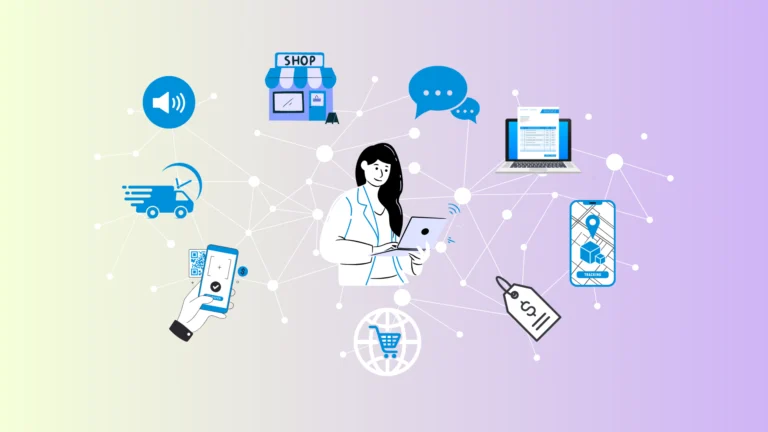
Omnichannel marketing is an approach focused on providing a unified, consistent experience for customers through all possible touchpoints with a brand. These can include physical stores, digital platforms such as websites or social media, and phone support.
The main idea is to integrate different touchpoints, ensuring a seamless transition between them. In other words, it allows guiding the customer through the sales funnel with ease using different tools: pop-ups on the website, newsletters, special offers on social media, apps, push notifications, and loyalty points and bonuses in physical stores. This gives the customer the freedom to choose any communication channel with the company, with the process remaining equally convenient, regardless of the channel they choose.
An omnichannel marketing platform allows brands to integrate different channels, providing a unified strategy that enables, for example, customers to browse products online, communicate with company representatives via chat or phone, and make purchases in-store, while maintaining consistent offers and prices across all available channels. This helps brands increase customer loyalty and improve interactions through data analytics and process automation.
Such platforms offer businesses the ability to analyze customer behavior, set up personalized offers, and ensure uninterrupted service. This includes the option to buy online and pick up in-store, receiving the same discounts or promotions, regardless of the channel.
Omnichannel Sales Model
The omnichannel sales model is an integrated strategy that ensures a continuous and consistent customer experience across all touchpoints with the brand. It is based on the idea of a unified customer database, accessible to all company departments, which allows for personalized interaction and the creation of tailored offers.
The omnichannel approach differs significantly from other models, where channels such as physical stores, online platforms, or social networks function separately. In the omnichannel strategy, these channels are integrated into a single system, allowing for a harmonious brand impression and ensuring consistency across all customer interaction points.
Advantages of the omnichannel model:
- Increased customer satisfaction: thanks to the integrated approach and personalization, customers gain quick and easy access to information, regardless of which channel they use.
- Increased sales: improving the customer experience leads to greater loyalty and repeat purchases.
- Resource optimization: centralized channel management allows companies to distribute resources effectively and reduce costs.
Implementing the omnichannel model requires:
- System integration: it is necessary to consolidate data from all channels into a single database, providing a complete customer profile.
- Process optimization: it is important to establish clear and effective processes for order management, delivery, and customer service across all channels.
- Staff training: employees must be trained to work with the new system and provide quality service, regardless of the communication channel.
Implementing the omnichannel model is a challenging task, but its benefits for modern business are obvious. Companies that invest in this strategy gain a competitive edge and the ability to build strong, long-term relationships with their customers.
Omnichannel Commerce and Multichannel Sales
Omnichannel commerce and multichannel sales are two strategies for interacting with customers across different channels, but they have significant differences in how these interactions are managed and how communications are integrated.
Omnichannel commerce involves creating a unified experience for customers, where all communication and sales channels are integrated with one another. This approach allows customers to interact with the brand seamlessly through various touchpoints—both online and offline. For example, a customer can start shopping in an online store, continue in a physical store, and complete the purchase through a mobile app, all while retaining access to their account and purchase history.
In contrast, multichannel sales use several separate channels for interacting with customers, but these channels do not necessarily interact with each other. Each channel—whether an online store, physical store, or call center—operates independently, without integration with other platforms. As a result, customers can contact the brand through different channels, but due to the lack of integration, their experience may be fragmented.
Let’s talk about the main differences:
Channel Integration:
- Omnichannel commerce integrates all touchpoints with customers into a single system, providing a consistent and comfortable experience.
- Multichannel sales operate separately, which can lead to inconsistency in customer service.
Customer Experience:
- Omnichannel commerce ensures a consistent and personalized experience, allowing customers to conveniently use different channels for interaction.
- Multichannel sales can lead to a fragmented customer experience, as each channel operates separately and does not provide consistency in interaction.
Data and Analytics:
- The omnichannel model provides a comprehensive view of customer interactions, allowing for more accurate personalization of service.
- Data in multichannel strategies often remain fragmented between different channels, making it difficult to create a complete picture of customer preferences.
Thus, omnichannel commerce integrates all interaction channels into a single system, providing a continuous and convenient experience for customers, while multichannel sales keep channels separate, which can lead to a less seamless interaction with the brand. The omnichannel strategy allows brands to achieve greater personalization and efficiency through data and channel integration, which is crucial for meeting the needs of modern customers.
NovaTalks is an omnichannel platform that allows you to integrate all communication channels with your customers into a single system.
Our solution optimizes customer interaction, increases their loyalty, and significantly improves service efficiency. Implementing the omnichannel approach with NovaTalks will help take your business to the next level, providing customers with an intuitive and convenient purchasing and communication process.
Join NovaTalks today and create a flawless experience for your customers!